
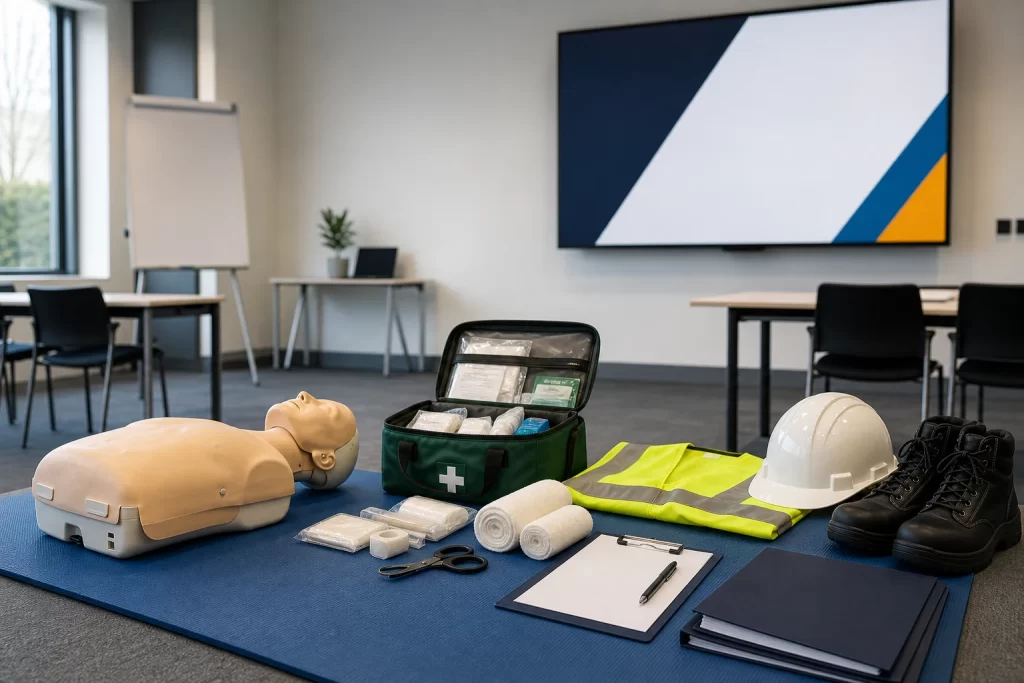
There is no single legal number of first aiders that every UK workplace must have. The right level of cover depends on the risks in your business, the size of your team and how your work is organised.
That can feel vague, but it is meant to be practical. Employers are expected to make suitable first aid arrangements based on a first aid needs assessment, then keep those arrangements reviewed as the workplace changes.
What the law expects from employers
UK employers must provide adequate and appropriate first aid equipment, facilities and people so employees can receive immediate attention if they are injured or taken ill at work. The key words are adequate and appropriate, because the law does not set one fixed ratio for every workplace.
In a simple, low hazard workplace, the minimum provision may be a suitably stocked first aid kit, an appointed person to take charge of first aid arrangements and clear information for staff. In a workplace with higher hazards, larger teams, shift work, lone workers or a history of accidents, that is unlikely to be enough.
The practical question is not, how few first aiders can we get away with? A better question is, if someone is injured or suddenly unwell, can they receive prompt and suitable help during every period when people are working?
That means first aid cover should be available during normal hours, early starts, late finishes, breaks, overtime, holidays and sickness absence. It should also reflect how quickly emergency services could reach the workplace and whether workers are spread across different areas.
Start with a first aid needs assessment
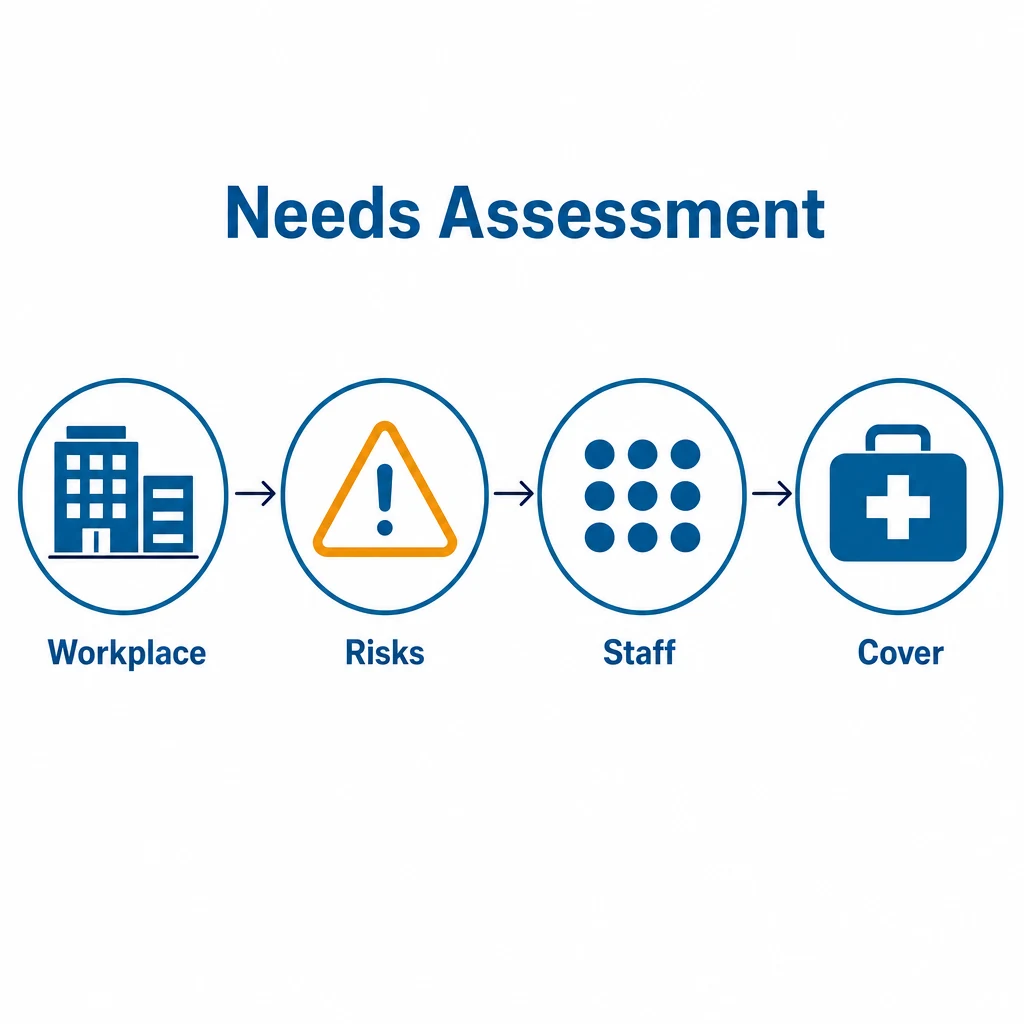
A first aid needs assessment is the document that justifies your level of cover. It does not need to be complicated, but it should be specific to your workplace rather than copied from another business.
Start by looking at the nature of the work. An office with desk based tasks will usually have different needs from a workplace with manual handling, tools, work at height, vehicles, hazardous substances or outdoor tasks. The more serious the possible injury, the stronger the case for trained first aiders and a higher level of cover.
Next, consider the size and layout of your workforce. A larger team usually needs more first aid cover, but layout matters too. If people work across separate floors, units, yards or temporary work areas, one trained person may not be easy to reach quickly.
You should also check accident records and near miss reports. Previous incidents can show where first aid might realistically be needed again. If the same type of injury keeps appearing, your assessment should reflect that risk and your wider health and safety controls should be reviewed too.
Other factors include shift patterns, remote working, lone working, young workers, pregnant workers, workers with known medical needs where they have chosen to share relevant information, and members of the public who may be affected by your activities. The legal duty focuses on employees, but many employers choose to include others in their planning because it is sensible and responsible.
If you want a practical structure for documenting arrangements, CPN Training has a useful guide on creating a first aid plan for your workplace.
Appointed person or qualified first aider
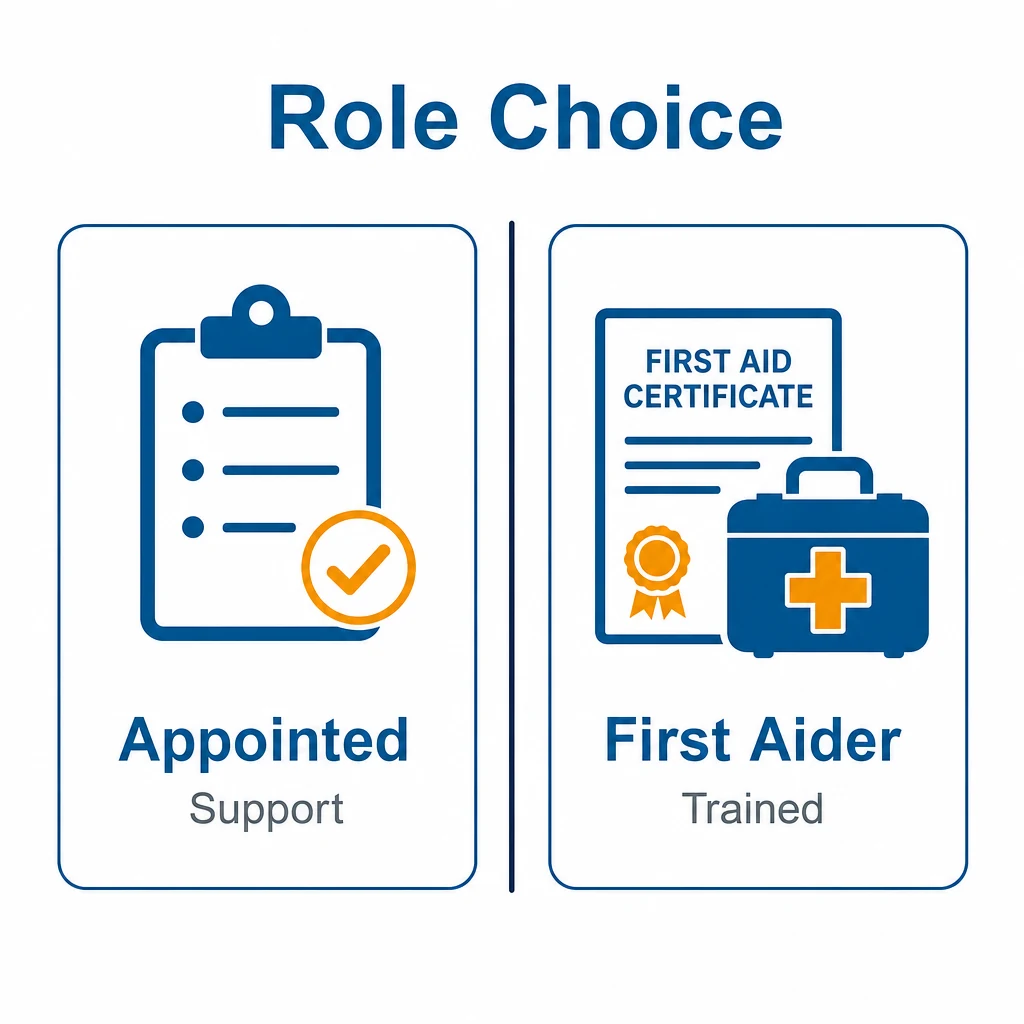
An appointed person is not the same as a qualified first aider. This distinction matters because it is a common source of confusion.
An appointed person takes charge of first aid arrangements. They may check that first aid kits are stocked, call emergency services when needed, make sure staff know the arrangements and help keep basic records. Unless they have also completed suitable first aid training, they should not be treated as the person who provides first aid treatment.
A qualified first aider has completed training that matches the workplace need. This might be Emergency First Aid at Work, First Aid at Work or another suitable level identified by the assessment. The choice depends on the hazards, likely injuries and level of response needed.
For example, a lower hazard workplace may only need an appointed person if the assessment shows that a trained first aider is not necessary. A workplace with more significant risks may need one or more qualified first aiders present whenever people are working.
Training should come from a competent provider and certificates should be kept current. Employers should also think about refresher training, confidence and whether first aiders have enough practical understanding to respond calmly in the setting where they work. For help matching training to your workplace risk, see CPN Training’s guide to choosing the right first aid course for your team.
How to decide how many first aiders you need
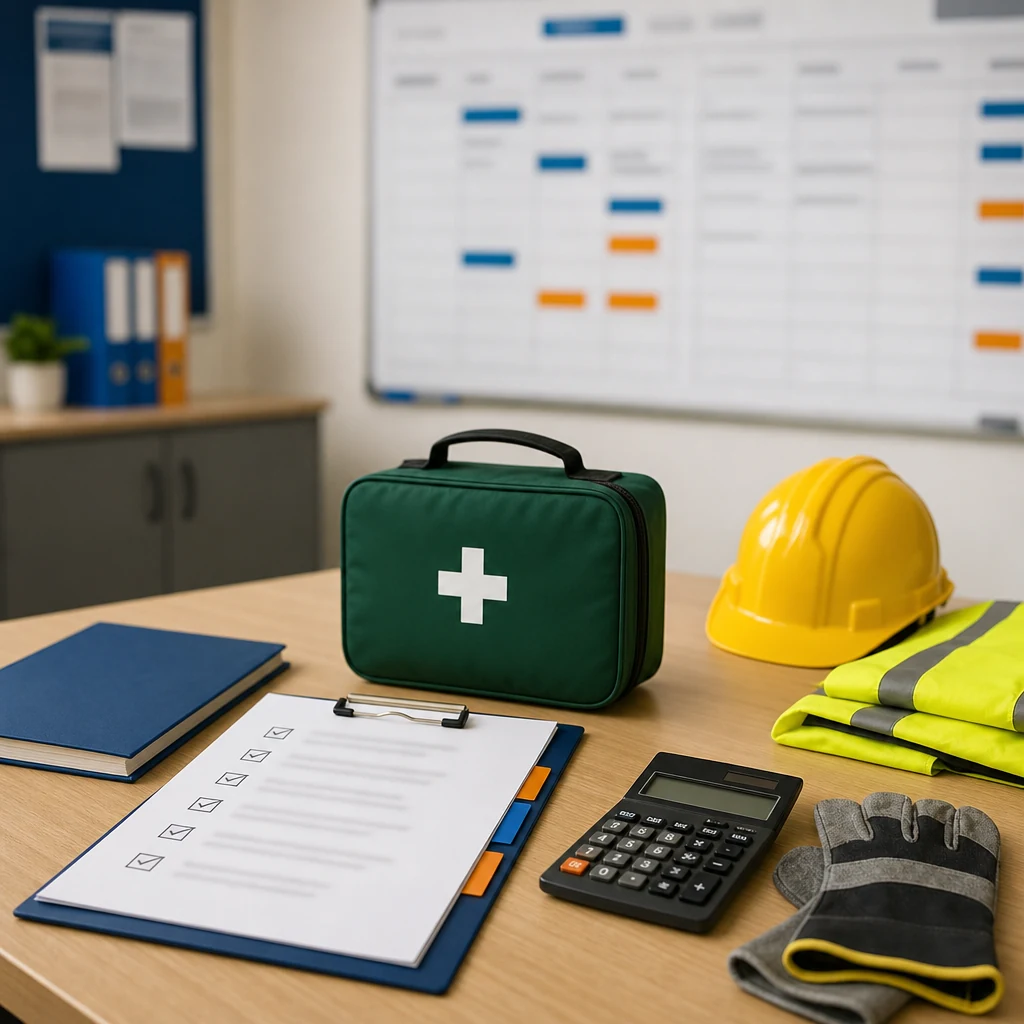
Because there is no universal legal number, employers should use their assessment to make a reasoned decision. A small workplace with low hazards may be able to operate with one appointed person. As the number of employees, hazards and working areas increase, the need for qualified first aiders usually increases too.
When deciding your number, think in terms of reliable coverage rather than a name on a noticeboard. If your only first aider is on holiday, in a meeting, off sick or based in another area, your provision may fail when it is needed.
A useful approach is to map your working day. List who is present during each shift or working period, where they are based and how quickly first aid support can reach them. Then check whether cover remains suitable during absence, breaks and busy periods.
You should also consider whether different parts of the business need different levels of cover. A front office, stores area, workshop and temporary work area may not all carry the same risk. One overall policy can still work, but the provision may need to vary by area.
Do not forget equipment. First aiders need suitable supplies, and staff need to know where to find them. If your assessment shows that extra kits, eyewash, burns supplies or other facilities are needed, record why and make someone responsible for checks. CPN Training has separate guidance on how many first aid kits a business should have.
Keeping your arrangements compliant
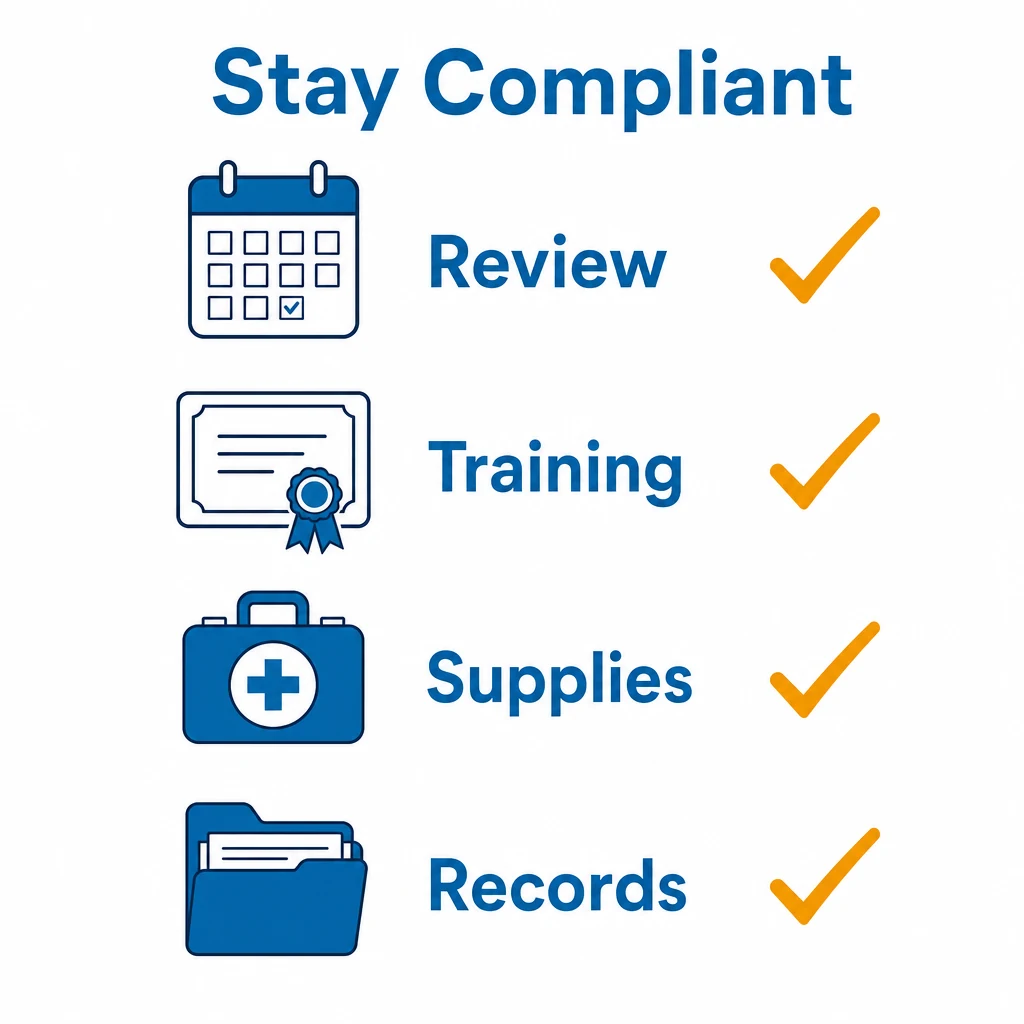
First aid compliance is not a one time task. Your arrangements should be reviewed whenever your workplace changes and at sensible intervals even when nothing obvious has changed.
Review the assessment if you take on more staff, change shift patterns, introduce new work activities, move premises, use a new layout, change substances or equipment, or notice a pattern in accident reports. You should also review cover when trained first aiders leave or their certificates are due to expire.
Make the arrangements visible. Employees should know who the first aiders or appointed persons are, where the first aid equipment is kept and what to do in an emergency. This information can be shared during induction, displayed clearly and included in routine safety briefings.
Records are useful too. Keep copies of training certificates, assessment notes, kit checks and review dates. If an incident happens, those records help show that your decision was thoughtful, current and based on the real risks in the workplace.
If your assessment identifies a need for formal training, CPN Training provides first aid training for workplace teams to help employers put practical, suitable cover in place.
- There is no fixed legal number of first aiders for every UK workplace.
- Employers must provide adequate and appropriate first aid cover based on a needs assessment.
- An appointed person manages arrangements, but is not a qualified first aider unless trained.
- Cover must remain suitable during absences, shifts, breaks and changes to the workplace.
- Review your assessment regularly and keep clear records of training, equipment and responsibilities.
Frequently asked questions
Does every workplace need a qualified first aider?
Not always. If a first aid needs assessment shows that a trained first aider is not necessary, the minimum requirement may be an appointed person, a suitable first aid kit and clear information for employees. Higher risk workplaces are more likely to need qualified first aiders.
Can an appointed person give first aid?
Only if they have suitable first aid training. The appointed person role is mainly about taking charge of arrangements, such as calling emergency services and looking after first aid equipment.
How often should first aid arrangements be reviewed?
Review them whenever staffing, layout, work activities, shift patterns or risks change. It is also sensible to set regular review dates and check certificate expiry dates so cover does not quietly become inadequate.
What training should workplace first aiders have?
The training should match the findings of your needs assessment. Common options include Emergency First Aid at Work and First Aid at Work, but the right choice depends on the hazards, likely injuries and level of cover required.
Plan your workplace first aid cover with confidence
If your assessment shows that your team needs first aid training, CPN Training can help you choose a suitable course and put clear, practical cover in place.