
For plant operators, the choice between NPORS and CPCS can feel more complicated than it needs to be. Both routes are widely recognised, both are built around safe operation, and both can support site access when the right card is held.
The better question is not which scheme is best in every situation. It is which route fits the work you want to do, the employers you want to work for, and the type of training or assessment you need at this stage of your career.
What NPORS and CPCS actually prove
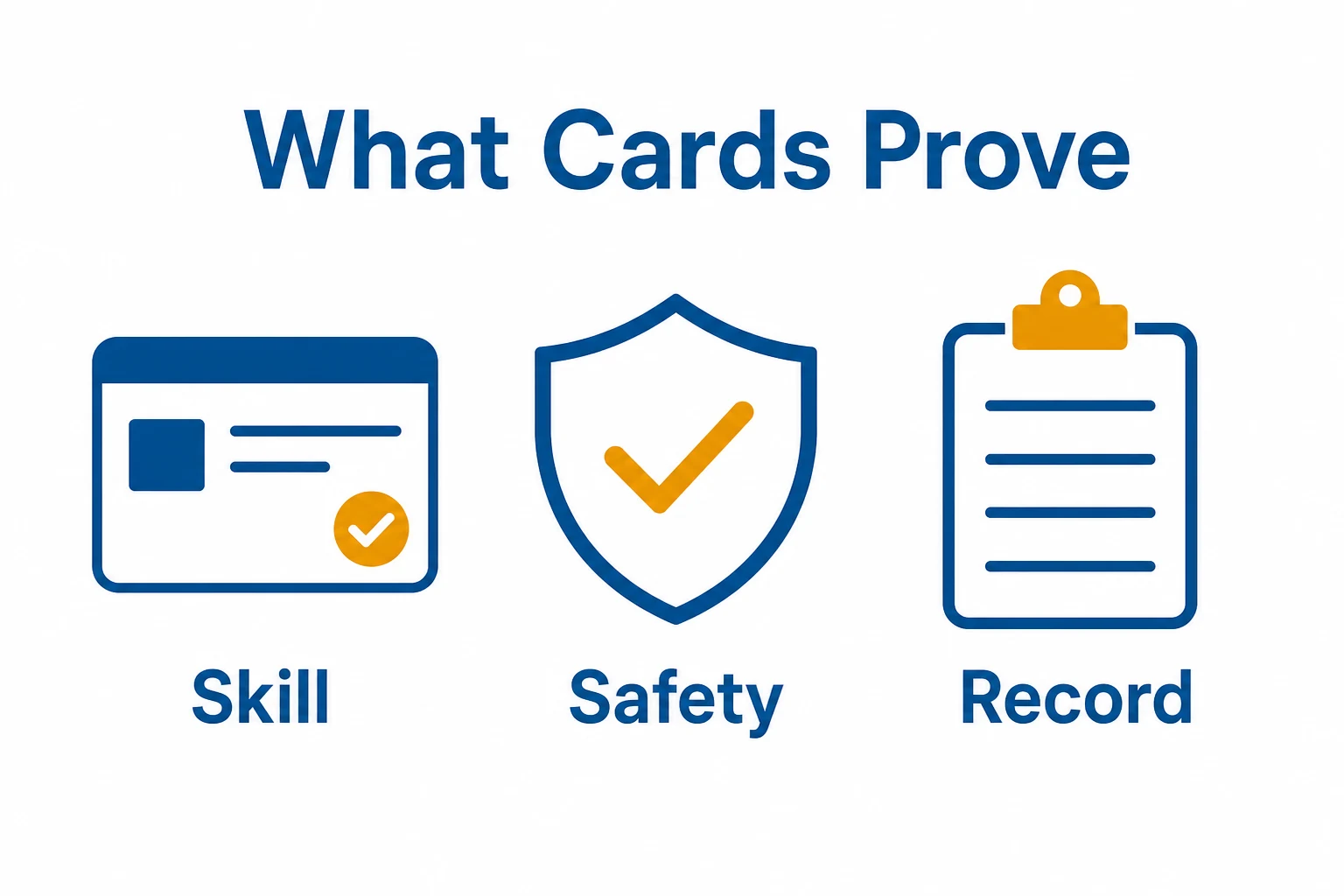
NPORS and CPCS are both plant operator card schemes. Their purpose is to show that an operator has been trained, assessed and recorded for a specific item or category of plant. They are not general safety badges. A card for one category does not mean an operator is ready to use another item of plant without suitable training and assessment.
In practical terms, both schemes focus on the same core outcome. The operator must understand how to work safely, carry out relevant checks, operate the equipment correctly, recognise hazards and follow site procedures. The assessment route normally includes theory and practical elements, so it is not simply a paperwork exercise.
The card also helps employers manage competence. On a busy site, managers need a clear way to check whether someone has evidence for the task they are being asked to carry out. A recognised operator card does not replace supervision, briefings or site rules, but it gives a useful starting point for deciding whether a person should be operating plant.
Where confusion often starts is with site access. Some projects ask for a particular scheme because of contract requirements, company policy or the expectations of the main contractor. Others accept more than one recognised route, provided the card matches the plant category and the operator meets the site requirements. That is why it is sensible to check the expected card before booking training.
When NPORS can be the practical choice
NPORS is often attractive because it can suit a wide range of operators, employers and work settings. For many learners, the route feels practical because training can be shaped around the equipment, experience level and category needed. That matters when someone is not just trying to pass a test, but wants to build safe habits that transfer into real working conditions.
A structured NPORS training route can help learners understand what is expected before assessment day. This can include pre use checks, safe travel, stability, visibility, communication, exclusion zones and shutdown procedures. For experienced operators, the focus may be on confirming competence and tightening up any weaker areas. For newer operators, the focus may be on building confidence through clear instruction and guided practice.
NPORS can also work well for employers who need a clear record of competence for several team members or several categories. Instead of treating plant training as a one off box to tick, it can be planned alongside wider safety training, site inductions and role specific briefings. That joined up approach is usually more useful than sending people for a card without considering how they will use the equipment afterwards.
For operators searching for terms such as npors training near me or npors digger ticket near me, the important point is to look beyond convenience alone. The right provider should explain the route clearly, check the category required and help you understand what evidence or safety tests may be needed for the card you want.
When CPCS may be expected
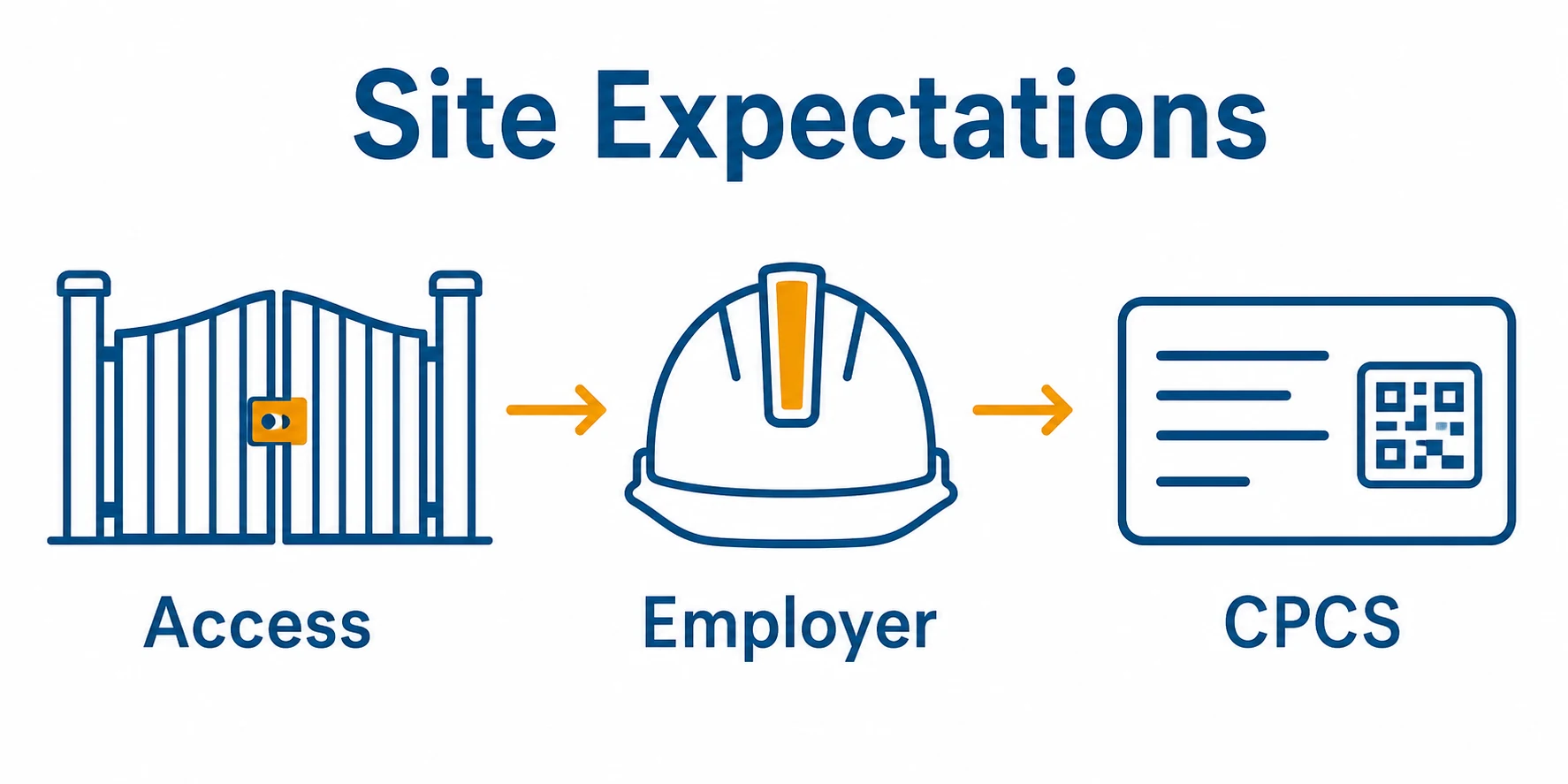
CPCS is another established route for plant operators and is still specified by some employers, contractors and projects. If a job advert, site rule or contractor requirement clearly asks for CPCS, that instruction should be treated seriously. Turning up with a different card, even a recognised one, may not meet that particular requirement.
CPCS training and testing is commonly associated with a defined test centre route. Learners are assessed against the category they are applying for, with theory and practical tests used to show that they understand safe operation. As with NPORS, the card held should match the plant being operated and should be current for the work being undertaken.
The practical decision is usually driven by the work pipeline. If an operator mainly works for employers who ask for CPCS, or is targeting projects where CPCS is regularly written into the requirements, that route may be the right fit. If an employer accepts NPORS and the operator wants a route that can be planned around their working needs, NPORS may be equally suitable.
It is also worth remembering that cards can sit within a wider competence journey. Operators may need health and safety testing, evidence of experience, vocational qualifications or card upgrades depending on the scheme, category and card type. If site access is the main concern, check the exact wording of the requirement before assuming that any plant card will do.
How to choose between the two routes
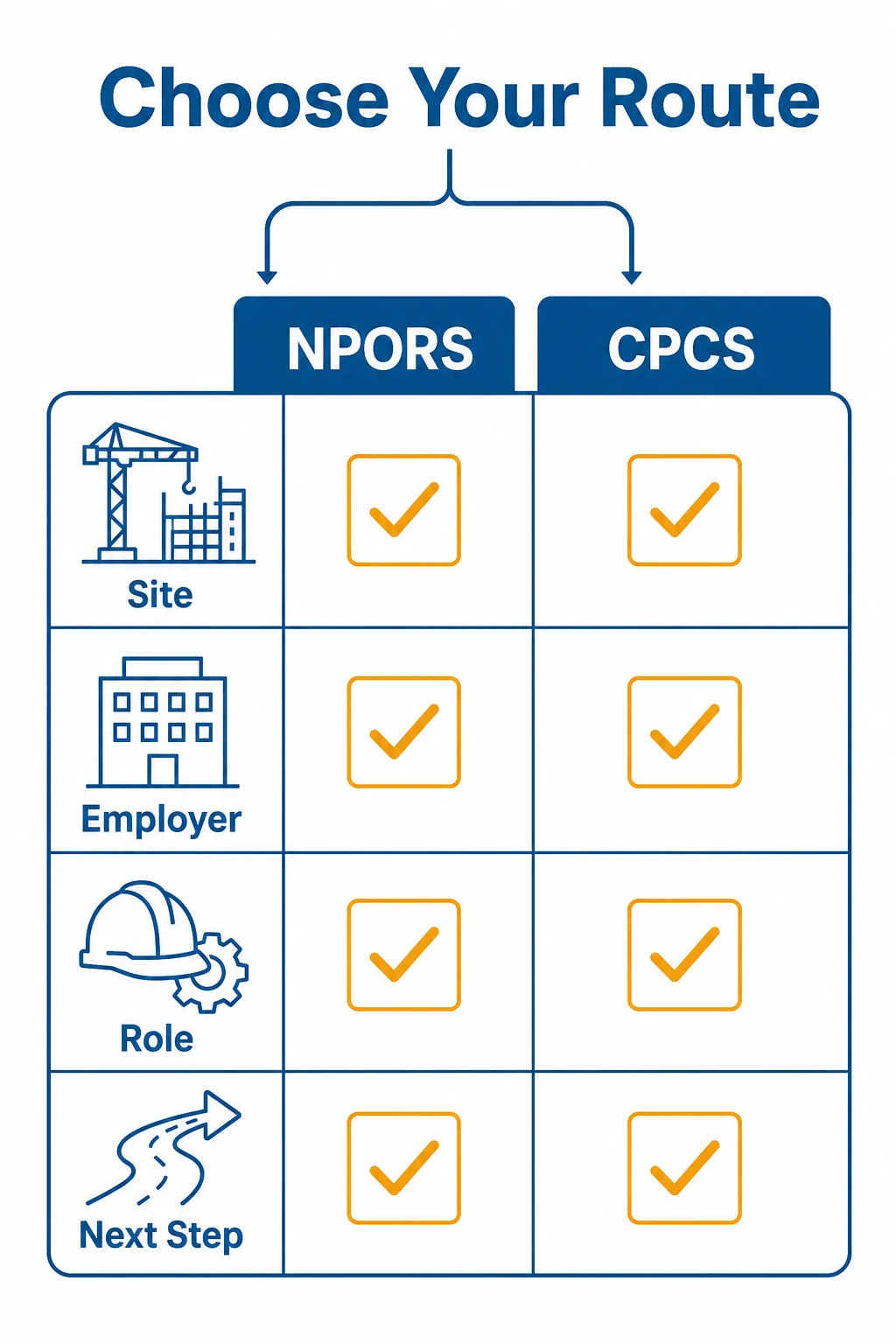
The best way to choose is to start with the destination. Ask which employers, sites or contracts you are aiming for, then work backwards. If a contractor has named CPCS as a requirement, the decision is fairly simple. If the requirement is for a recognised plant operator card, NPORS may be a practical and accepted route.
Next, look at your current experience. A new operator may need more guided training before assessment. An experienced operator may need assessment, card renewal guidance or help identifying the right category. Good training should not rush this stage. It should establish what you already know, what you need the card for and where your safety knowledge needs strengthening.
It is also useful to think about the plant category itself. A telehandler, excavator, dumper, roller or lift truck all bring different risks and operating techniques. Even operators with strong experience on one machine should not assume that skill automatically transfers to another. If the work involves telehandlers, for example, guidance on NPORS telehandler training can help clarify what the course route may involve.
Employers should also consider consistency across the team. If several workers need operator cards, it helps to map categories, experience levels and future project needs before booking anything. This avoids mixed routes chosen at random and gives managers a clearer training record. It can also make refresher planning and supervision easier later.
Finally, check whether your route needs to connect with other site cards or qualifications. Some workers ask whether they can access construction sites without certain qualifications, and topics such as getting a CSCS card without an NVQ show why it is important to separate general site access, occupational competence and plant operator cards.
Why structured training matters more than the badge name
It is tempting to treat the NPORS versus CPCS decision as a simple badge comparison, but that misses the point. The real value is in whether the operator can work safely, follow instructions, understand the limits of the equipment and respond sensibly when conditions change.
Structured training gives learners time to practise the details that can be overlooked in informal learning. That includes observation, communication, checking ground conditions, understanding load limits, managing blind spots and stopping work when something does not feel safe. These are the habits that protect people, equipment and productivity.
For employers, structured training also supports a stronger safety culture. It shows that the business is not relying on assumption or casual experience. It gives supervisors better information about who is trained, who needs monitoring and who may need further support before operating independently.
For learners who are unsure what to expect, it can help to review practical course guidance before booking. CPN Training has a helpful guide on what to expect on your first day of an NPORS course, which can make the process feel clearer and less uncertain.
The right route should leave the operator with more than a card. It should leave them with a better understanding of their responsibilities, a clearer sense of safe working practice and confidence that their training matches the work they plan to do.
- NPORS and CPCS both provide recognised routes for plant operator competence, but the right choice depends on the work and employer requirements.
- If a contractor or site specifically asks for CPCS, check that requirement before booking another route.
- NPORS can be a practical option where employers accept it and learners need structured training matched to their plant category.
- The card category matters. A ticket for one type of plant does not prove competence on another.
- Good training should build safe habits, not simply prepare someone to pass an assessment.
Frequently asked questions
Is NPORS accepted instead of CPCS?
Sometimes, but not always. Many employers accept NPORS for suitable plant categories, especially when the card meets their site rules. Some projects or contractors may specifically request CPCS, so operators should always check the exact requirement before booking training.
Which route is better for a new plant operator?
The better route depends on the work the learner wants to do and the employers they are targeting. A new operator should choose a route that includes clear instruction, enough practical preparation and an assessment for the correct plant category.
Can I switch from NPORS to CPCS later?
Holding one card does not usually mean you can simply swap it for the other. You may need to meet the requirements of the scheme you are moving to, including relevant tests, evidence or qualifications. Check the current rules for your category before making plans.
Do I need a separate ticket for each item of plant?
Yes, in most cases your card should match the specific category of plant you operate. Experience on one machine does not automatically prove competence on another, even if some skills feel similar.
Choose the route with confidence
If you are weighing up NPORS and CPCS, CPN Training can help you understand the practical route for your role, experience and plant category.