Starting your first NPORS course can feel like a big step, especially if you are new to formal plant or equipment training. Most first time candidates have similar questions: Will I be expected to know everything already? What happens if I am nervous? What do I need to bring?
The good news is that an NPORS course is designed to guide you through the process in a clear, practical way. You will be shown what is expected, given time to understand the safety principles, and assessed against the relevant standard for the category you are training on.
Before you arrive
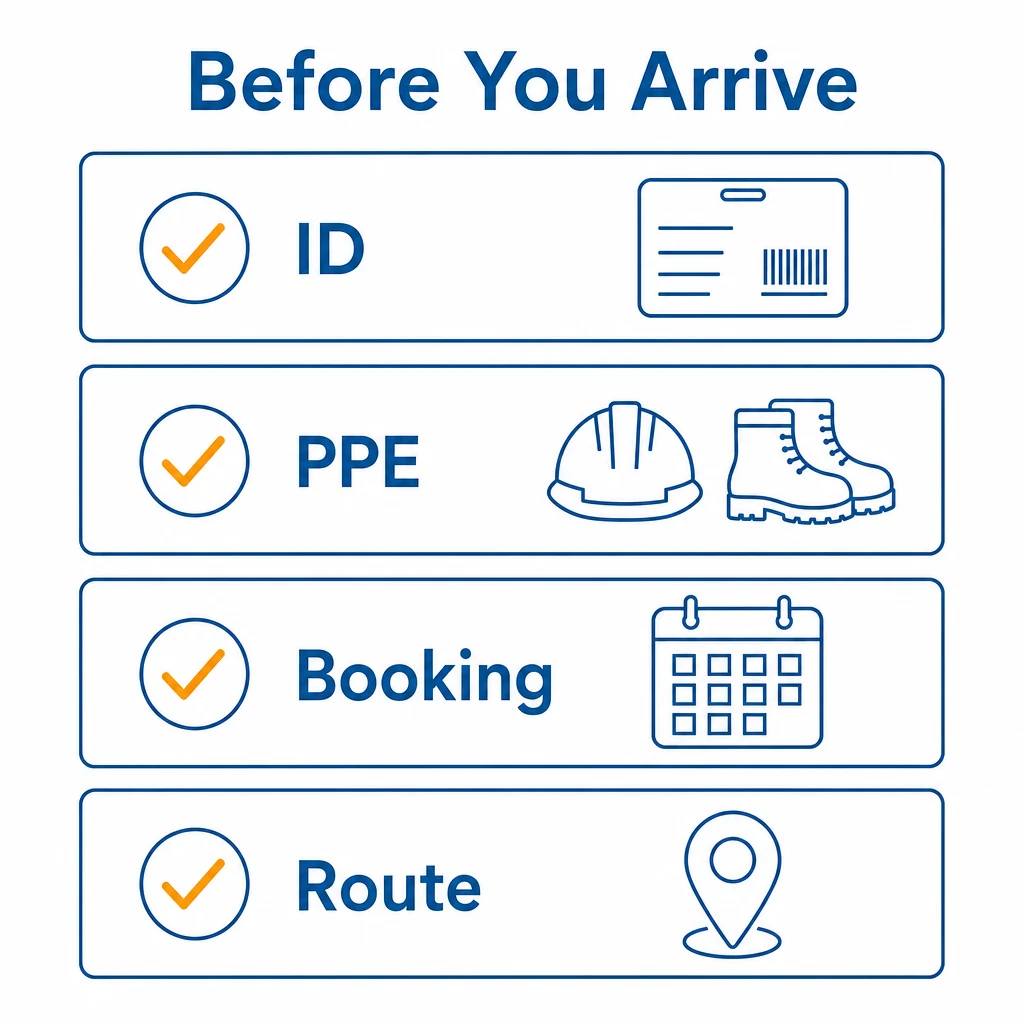
Your first day starts before you reach the training venue or site. The best preparation is to read your joining instructions carefully, check the start time, and make sure you know whether the course is taking place in a classroom, on site, or in a dedicated practical area.
You should bring any identification requested by the training provider. This may include photo ID, your National Insurance number, existing cards or certificates, and any paperwork linked to your employer or booking. If you are aiming for an NPORS card connected to construction site access, you may also need evidence relating to the relevant health, safety and environmental test. Requirements can vary by route, so it is worth checking your confirmation email rather than guessing.
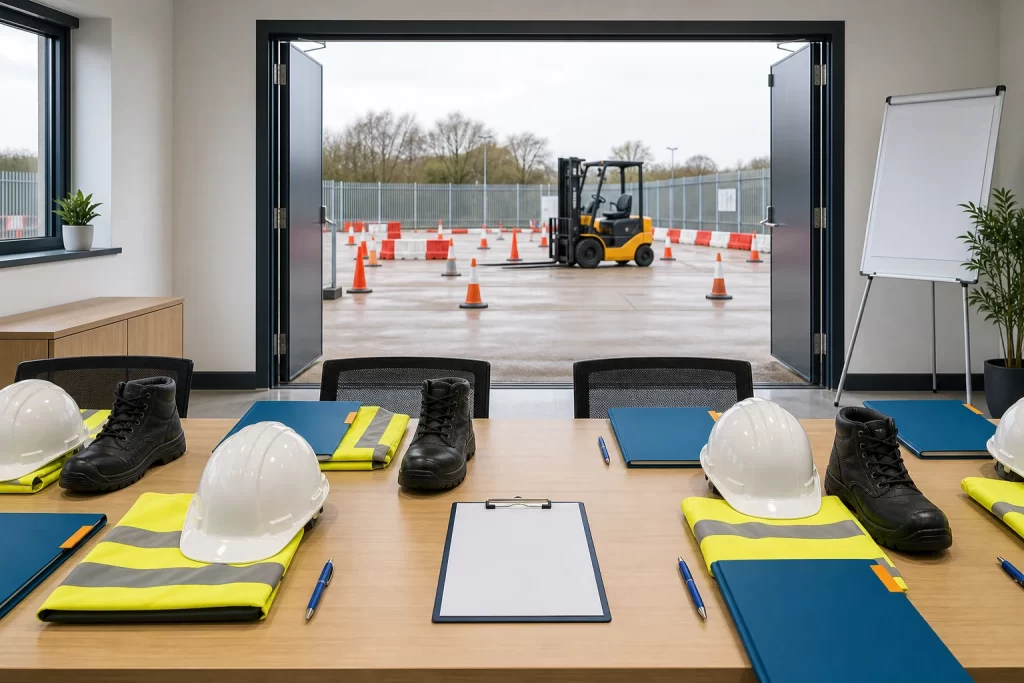
Clothing matters because NPORS training includes practical safety standards. Wear suitable work clothing and bring the personal protective equipment you have been asked to use. This often includes safety boots, a hard hat, hi vis clothing, gloves and eye protection, depending on the course category. If PPE is being provided, arrive in clothing that still allows you to move safely and comfortably.
If you are unsure whether your course suits your current experience level, contact the provider before the day. A good provider can explain whether the course is aimed at novice operators, experienced operators needing assessment, or people refreshing their knowledge. CPN Training outlines the available options on its NPORS training course information, which is a useful place to start if you are still checking the right route.
How the day usually begins
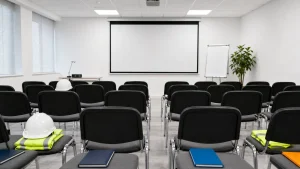
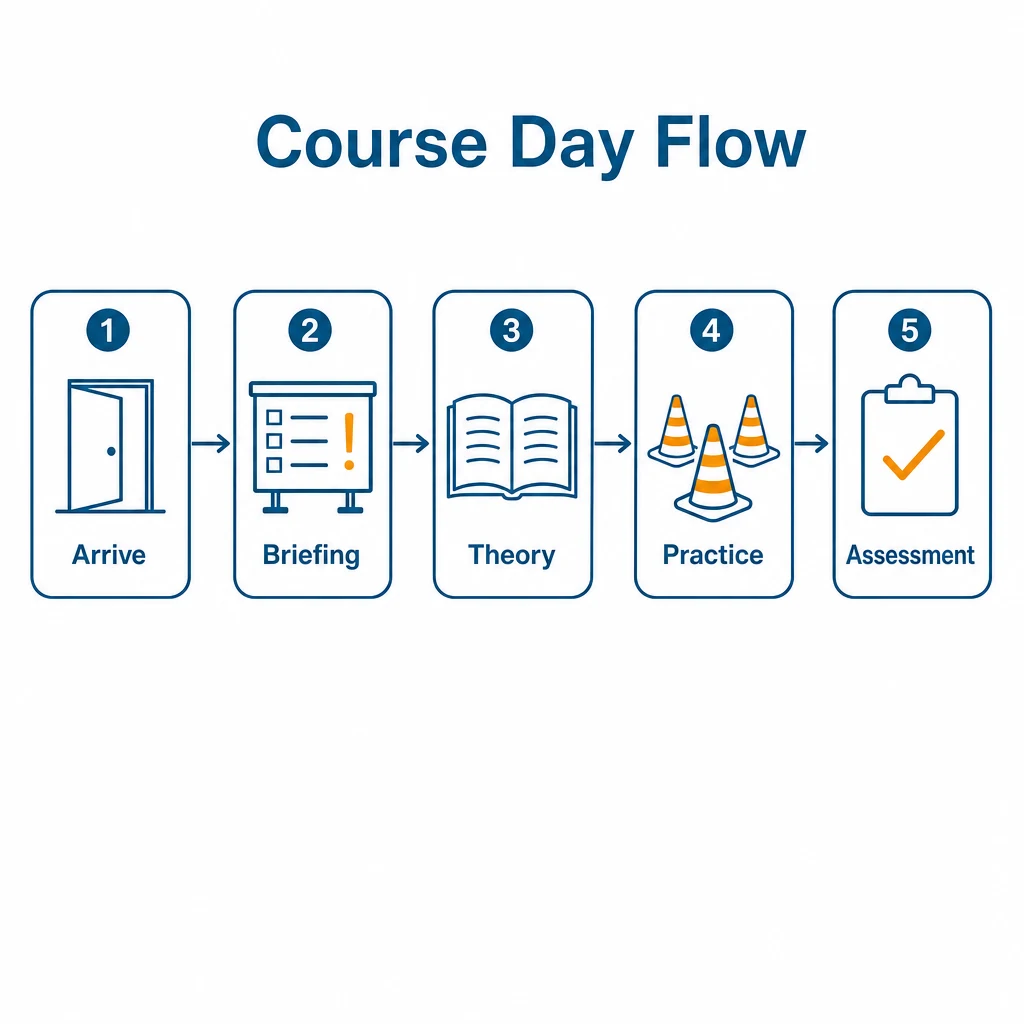
Most NPORS courses begin with a welcome, registration and a short introduction to the plan for the day. The instructor will confirm who is attending, what category is being covered, and what the assessment process will involve. This is also the point where paperwork is checked and any course specific questions can be raised.
You should expect a safety briefing early in the day. This sets the standard for how the training area will be used and how candidates should behave during practical exercises. It may cover site rules, emergency arrangements, PPE, exclusion zones, communication methods and safe movement around equipment.
The instructor may also ask about your previous experience. This is not there to catch you out. It helps the instructor understand the group and pitch the training appropriately. If you are new, be honest. If you have experience but have picked up habits from work, be open to adjusting them. NPORS training is about showing that you can work safely, consistently and in line with the required outcomes.
First time candidates sometimes worry that everyone else will know more than they do. In reality, training groups often include a mix of backgrounds. Some people are completely new, some have informal experience, and some are there to formalise skills they already use. The instructor’s job is to keep the process structured and fair.
The theory element

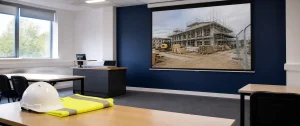
The theory part of an NPORS course focuses on the knowledge behind safe operation. It is not just a box ticking exercise. It helps you understand why certain checks, controls and procedures are required before you move into the practical assessment.
Although the exact content depends on the category, theory training often covers legal responsibilities, operator duties, hazards, stability, pre use checks, safe working practices, signals, site awareness, refuelling or charging arrangements, and what to do if something does not look right. You may also cover manufacturer guidance, workplace procedures and the importance of reporting faults.
The theory assessment is usually designed to confirm that you understand the key safety points and can apply them in realistic working situations. For many candidates, the best approach is to listen carefully, ask questions as they come up, and connect the theory to what you already see on site or in the workplace.
Do not be embarrassed if you need something repeated. Training is the right place to clear up uncertainty. A small question in the classroom can prevent a poor decision during practical work. Instructors would much rather know that you are thinking carefully than watch you stay quiet and struggle later.
If your wider goal is to build evidence of occupational competence, it may also be worth understanding how formal training sits alongside qualifications. CPN Training has a useful guide on getting assessment ready before starting an NVQ, which can help if you are planning the next stage after operator training.
The practical training and assessment
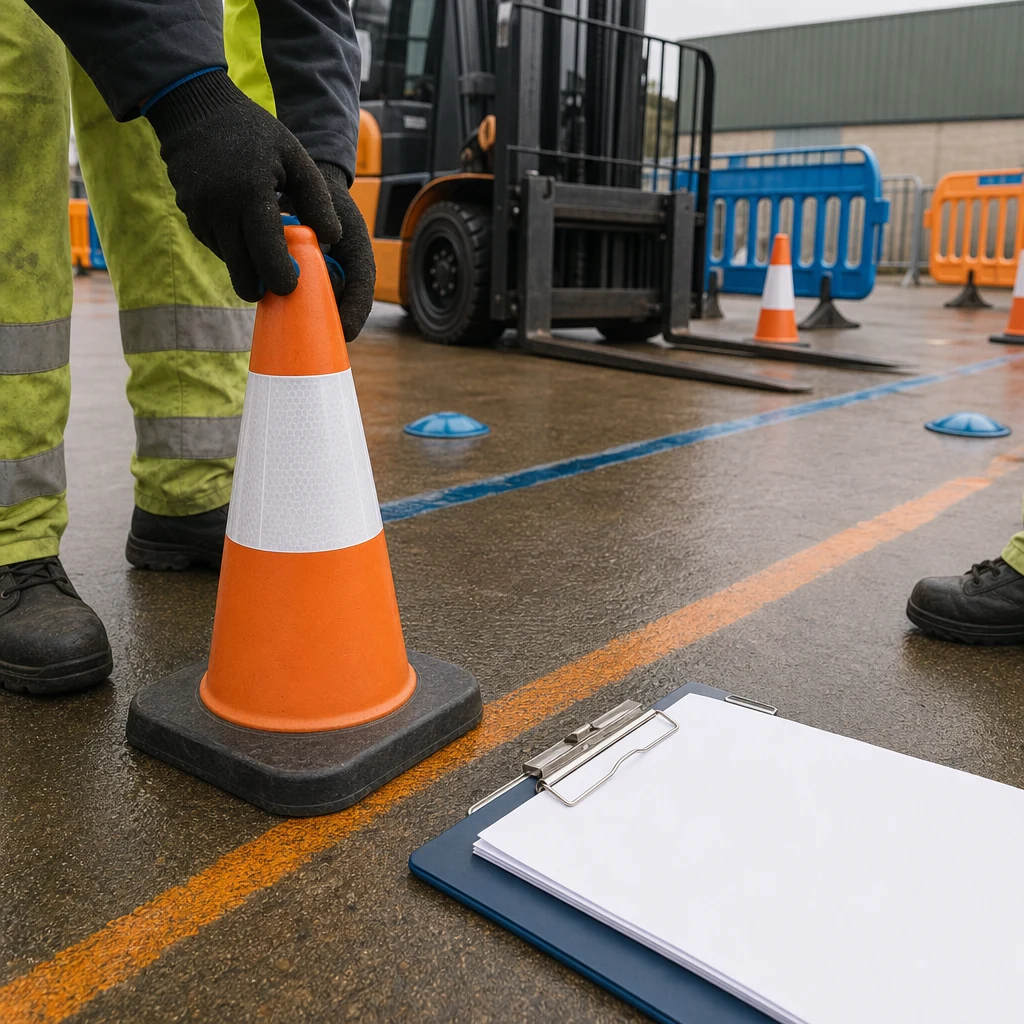
The practical part is where you put the learning into action. You will normally be shown the equipment, the controls, the inspection process and the expected safe operating method. The instructor will explain what they want to see and how the assessment will be judged.
For a first time candidate, practical training may begin with familiarisation. This can include checking the equipment, identifying key parts, confirming warning systems, understanding safe access and egress, and practising basic control under supervision. The pace should allow you to build confidence while still keeping safety at the centre of the session.
When assessment begins, the focus is on whether you can complete the required tasks safely and competently. You may need to carry out checks, position equipment, follow instructions, maintain awareness of people and hazards, and shut down correctly. The exact tasks depend on the NPORS category, but the principle is the same: safe preparation, safe operation and safe completion.
Nerves are normal. Many capable candidates feel pressure when they know they are being assessed. The best way to manage this is to slow down, follow the sequence you have been taught, and speak up if you are unsure about an instruction. Rushing rarely helps. Assessors want to see control, awareness and judgement.
If you make a small mistake during practice, treat it as feedback. That is what training time is for. If you are in the assessment stage, listen carefully to the assessor and stay focused on the task in front of you. One uncertain moment does not mean the whole day is lost.
What to bring and what to avoid
A simple checklist can make the day feel much easier. Your joining instructions should always come first, but most candidates should think about the basics before they travel.
- Photo ID and any booking documents requested by the provider.
- Existing cards, certificates or evidence linked to your chosen route.
- Suitable work clothing and any required PPE.
- Glasses, contact lenses or medication you need for a normal working day.
- Food, water and weather suitable clothing if the course includes outdoor practical time.
- A notebook if you like writing reminders during theory training.
It is also worth avoiding a few common problems. Do not arrive late if you can help it, as registration and safety briefings are important. Do not assume all PPE will be supplied unless you have been told that clearly. Do not treat the theory element as less important than the practical work. Both are part of showing that you can operate safely.
If you are booked by an employer, check whether they need you to bring anything extra. Some employers have their own paperwork, induction records or site access requirements. Sorting this before the day keeps the focus on learning.
Candidates who are comparing training schemes sometimes ask how NPORS differs from other workplace training routes. If that is part of your decision making, CPN Training’s guide to what an AITT course is may help you understand how different accreditations can fit different operational needs.
How to prepare with confidence
You do not need to memorise a manual before your first NPORS course, but you can make the day smoother by arriving ready to learn. Get a proper night of rest, allow plenty of travel time, and read any course information you have been sent. If there are forms to complete in advance, do them before the morning of the course.
It also helps to think about safety in practical terms. Before the course, remind yourself of the basics: look for hazards, check equipment before use, follow instructions, communicate clearly, and stop if something feels unsafe. These habits matter more than trying to impress anyone with speed.
If you already have workplace experience, be prepared to explain what you have used before and where. This can help the instructor understand your background. At the same time, be ready to adapt. Formal assessment may ask you to follow a more structured sequence than you use day to day, and that structure is there to make safe operation repeatable.
If you are completely new, focus on being attentive and asking useful questions. No one expects a novice to arrive as an expert. The course exists to develop your understanding and check your competence against the right criteria.
By the end of the day, you should have a clearer understanding of the category you have trained on, the standards expected, and any next steps linked to your result or card application. Whether your goal is site access, a new role, or formal recognition of existing ability, your first NPORS course is a practical step towards working with more confidence.
- Your joining instructions are the best guide to what ID, paperwork and PPE you need to bring.
- An NPORS course normally includes registration, a safety briefing, theory learning, practical training and assessment.
- The theory element matters because it checks your understanding of safe working principles, not just your memory.
- During practical assessment, focus on control, awareness, communication and following the safe sequence you have been taught.
- If you are nervous, ask questions early and treat training time as a chance to build confidence.
Frequently asked questions
Do I need experience before starting an NPORS course?
Not always. Some courses are suitable for novice candidates, while others are aimed at experienced operators who need assessment or formal recognition. Check the course details before booking so the level matches your background.
What happens if I do not pass first time?
Your provider should explain the result clearly and advise on the next step. That may involve more training, further practice or another assessment, depending on what happened and the category involved.
Will I have to do a theory test?
NPORS training commonly includes a theory element to check your understanding of safe operation, responsibilities and hazards. The format can depend on the course category and assessment route.
Can my employer book NPORS training for a group?
Yes, employers often arrange training for teams where there is a need to build safe, consistent working practices. The provider can advise on group needs, course categories and whether training can be delivered in a suitable setting.
Get ready for your NPORS course
If you are preparing for your first NPORS course, CPN Training can help you understand the right route, what to bring and what to expect on the day.