
Operator competence is not proved by confidence alone. Employers need a clear way to show that people using plant understand the equipment, the working environment and the safe systems expected of them.
NPORS training helps by combining practical instruction, knowledge checks and assessment evidence. For employers managing plant operators, it gives a structured route to confirm ability, identify gaps and keep useful records.
Why operator competence needs evidence
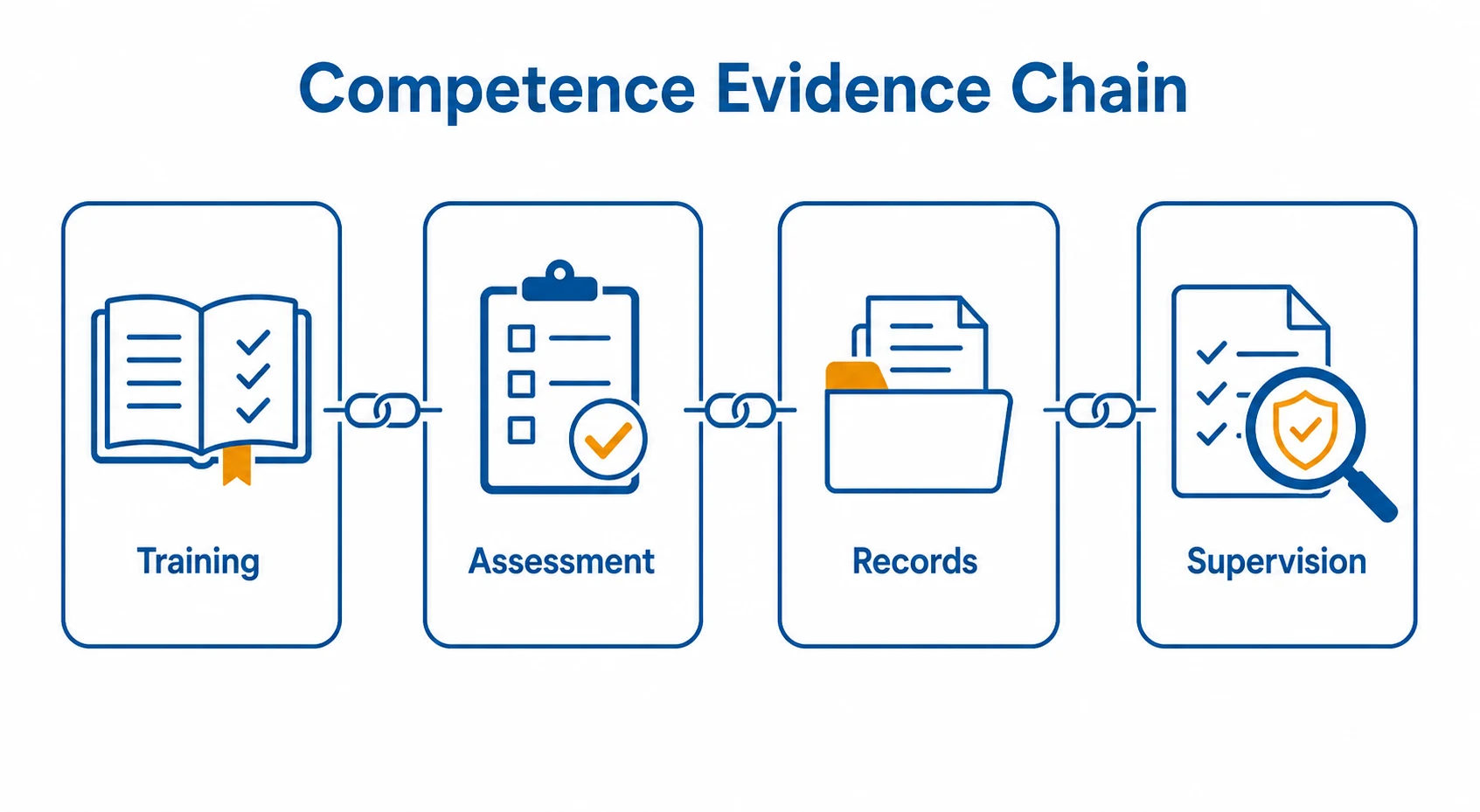
Competence is a practical standard. It is about whether an operator can carry out the task safely, consistently and with proper awareness of risk. In plant operations, that means more than knowing how to start, steer or control a machine. It includes understanding daily checks, exclusion zones, site rules, ground conditions, visibility limits, communication methods and the actions to take when something does not feel right.
For employers, the challenge is proving that this has been checked. A manager may know that an operator is experienced, but experience by itself is hard to evidence if a client, principal contractor, auditor or investigating body asks how competence was confirmed. Verbal assurance is useful, but it is not enough on its own.
NPORS training gives employers a more structured answer. It shows that the operator has followed recognised training and assessment for the relevant plant category. It also helps separate assumed ability from demonstrated ability. That matters because two operators can have the same number of years on site but very different habits, knowledge and risk awareness.
The value is not just the card at the end. The real value is the process behind it. Training, observation, questioning and assessment create a trail that supports better decisions about who can operate what, where further coaching is needed and whether someone is ready for a particular task or site requirement.
What NPORS training assesses in practice

NPORS training is designed to test whether an operator can apply safe working principles to a specific item or category of plant. The exact content depends on the equipment and the learner’s existing experience, but the assessment normally looks at both knowledge and practical ability.
Knowledge matters because safe operation starts before the equipment moves. Operators need to understand responsibilities, hazards, limitations, inspection requirements and the reasons behind safe systems of work. A competent operator should be able to explain what they are checking, why it matters and when they would stop and report a concern.
Practical assessment then shows whether that understanding turns into safe behaviour. This may include pre use checks, correct mounting and dismounting, control use, travel, manoeuvring, load handling where relevant, awareness of people nearby and shutdown procedures. The assessor is looking for controlled, considered operation, not just speed or familiarity.
This is where NPORS training with CPN Training can support employers who want a clear route for their operators. It helps create consistency across teams, especially where operators have learned through different routes or have mixed levels of experience.
For new or returning operators, the process can build confidence as well as competence. For experienced operators, it can confirm good practice and catch unsafe habits that may have become normal over time. Both outcomes are useful for employers, because they reduce guesswork and support a stronger safety culture.
How NPORS supports employer duties
Employers have a duty to make sure that people who use work equipment are adequately trained for health and safety. In everyday terms, that means operators should have the right instruction, information, training and supervision for the equipment and tasks they are expected to carry out.
NPORS supports this duty by giving employers a recognised structure for training and assessment. It helps answer several important management questions:
- Has the operator received training for the relevant plant category?
- Has their practical ability been observed and assessed?
- Have knowledge and safety awareness been checked?
- Is there evidence that can be kept with training records?
- Are there any gaps that need further coaching or supervision?
This evidence is useful before work begins, during client checks and when reviewing workforce capability. It also helps supervisors make better decisions on site. If records show that an operator is trained and assessed for one category but not another, the boundary is clearer. That can prevent well meaning but unsuitable task allocation.
Competence also needs to be kept current. Conditions change, equipment changes and operators may spend time away from certain tasks. NPORS should therefore sit within a wider management approach that includes supervision, refreshers where needed, toolbox talks, briefings and regular observation. The training gives a strong foundation, but employers still need to manage how skills are applied day to day.
Using NPORS records to manage plant operators
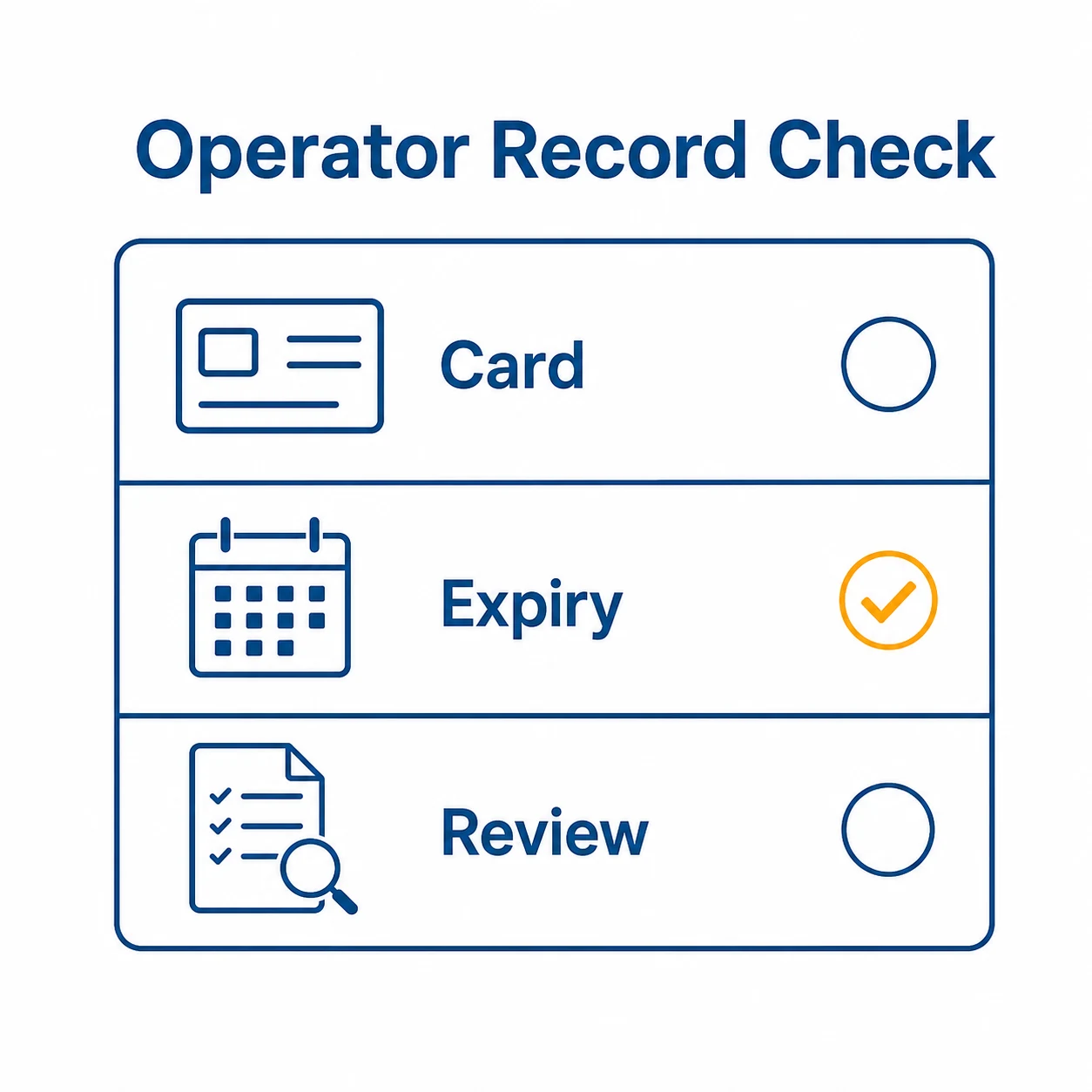
Training records are only useful if they are easy to find and properly maintained. An employer should be able to see which operators hold which categories, when assessments took place and whether any further action was recommended. This makes NPORS evidence part of normal workforce planning, not a file that is only opened when someone asks for proof.
Good records help with induction, site allocation and contractor assurance. Before assigning an operator, a manager can check whether the person has relevant training and whether the task matches their assessed capability. This is particularly important where similar equipment categories still require different controls, attachments, loads or working methods.
Records also support fair conversations with operators. If an assessment identifies that someone needs more time on a certain manoeuvre or more knowledge around checks, the next step can be specific and constructive. The aim is not to catch people out. It is to make sure they have what they need to work safely.
For employers developing operators further, plant training may also connect with work based qualifications. Where a role calls for formal evidence gathered in the workplace, NVQ assessments can provide another layer of proof by assessing competence during normal job activity.
The strongest approach is joined up. Keep NPORS records, supervision notes, refreshers, briefings and any qualification evidence together. That gives managers a clearer view of each operator’s capability and helps the business show that competence is actively managed.
Where onsite training adds value
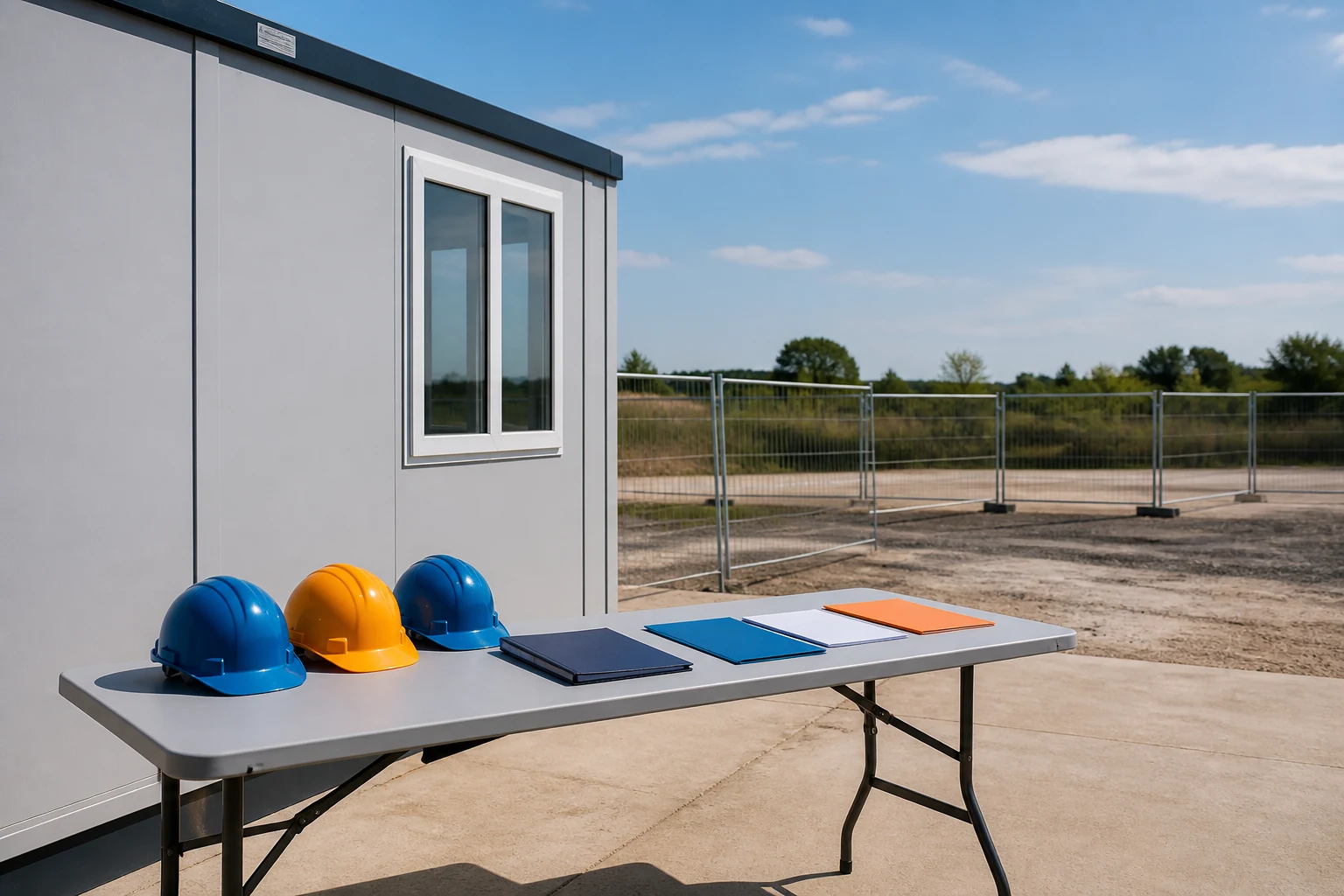
Training in a controlled setting has clear benefits, but many employers also value assessment and instruction that connects closely with their own working environment. Onsite training can help because it places learning in the context of familiar tasks, site rules and operational pressures.
This can be particularly useful when a business needs several operators trained, when equipment is already available, or when the risks of the work environment need to be reflected in the session. The trainer can focus attention on safe working practices that matter in that setting, while still working to the relevant assessment expectations.
Onsite training can also help supervisors see how operators perform in realistic conditions. That gives a better basis for follow up conversations after training. If an operator passes but would benefit from closer supervision on a certain task, the employer can act on that quickly. If several operators show the same knowledge gap, the business can address it across the team.
For learners who are new to the process, it can help to understand the format before attending. CPN Training has a useful guide on what to expect on the first day of an NPORS course, which can reduce uncertainty and help operators arrive prepared.
The important point is that training should fit the work while still keeping assessment robust. A flexible route is valuable only when it produces reliable evidence. NPORS helps employers balance practical delivery with a clear standard of operator competence.
NPORS, CPCS and choosing the right route
Many employers begin their research with CPCS training or a CPCS training course because they are looking for recognised proof of plant operator ability. That is understandable, but the more useful question is often broader: what evidence does the business need, for which operators, on which sites and for which plant categories?
The key point is that NPORS can provide a practical, recognised way to train and assess operators, particularly where employers want a route that supports real operational needs. It can help confirm competence, create records and give managers more confidence when assigning plant tasks.
Some clients or projects may specify particular requirements, so employers should always check what is needed before booking training. Where there is a choice, it is worth looking at the operator’s role, the equipment involved, existing experience, future site access needs and whether further qualification evidence may be required later.
If you do need a separate explanation of scheme choice, CPN Training also covers NPORS or CPCS for plant operators. For competence planning, however, avoid treating the card as the whole answer. The best outcome is a trained operator, a documented assessment and a management system that keeps competence visible after the course ends.
- NPORS training helps employers evidence operator competence through structured training, knowledge checks and practical assessment.
- Competence should be matched to the specific plant category, task and working environment.
- Good records make it easier to assign operators, plan supervision and respond to client or site checks.
- Onsite training can connect assessment with real working conditions while keeping standards clear.
- NPORS works best as part of a wider approach that includes supervision, refreshers and ongoing review.
Frequently asked questions
Does an NPORS card prove an operator is competent?
It provides strong evidence that the operator has completed relevant training and assessment for the plant category shown. Employers should still make sure the operator is suitable for the specific task, site conditions and equipment being used.
Can experienced operators take NPORS assessment?
Yes. Experienced operators may still benefit from assessment because it confirms current ability, checks knowledge and identifies any habits that need correcting. The right route depends on the operator’s background and the category required.
Is NPORS useful for employer records?
Yes. NPORS training and assessment outcomes can form part of an employer’s competence records. These records help with planning work, checking authorisation and showing that operator capability has been considered.
Should employers still supervise operators after NPORS training?
Yes. Training and assessment are important, but supervision remains part of managing safety. Operators may need additional support when tasks, attachments, environments or site rules change.
Plan NPORS training with confidence
Speak to CPN Training about the plant categories, operator experience levels and assessment route your team needs. We will help you choose a clear, practical next step.