
Cold weather on site has a habit of creeping up on people. One week, it is business as usual; the next, you are dealing with frozen ground, numb fingers, and a kit that refuses to behave.
It often feels manageable at first, which may be why winter risks do not always get the same attention as more obvious hazards.
In reality, low temperatures quietly change how people move, think, and work. Decisions may take longer, small mistakes become more likely, and tasks that felt routine in milder weather suddenly carry more risk.
A bit of planning can make a real difference once the temperature drops.
Why Cold Weather Increases Risk on Site
Cold conditions affect almost every part of a working day. Surfaces become slippery, visibility drops in poor light or fog, and simple actions like climbing steps or handling tools demand more effort.
Wind chill can also make it feel far colder than the thermometer suggests.
There is also the mental side to consider. People tend to rush when they are cold, keen to finish tasks quickly and get somewhere warm.
That mindset alone can increase the chance of shortcuts, missed checks, and avoidable incidents.

Common Cold Weather Hazards to Watch For
Icy access routes and frozen scaffolding are some of the most obvious winter hazards. Early mornings are particularly risky, especially in shaded areas where ice lingers even after the sun is up.
Temporary walkways and metal surfaces can be especially treacherous.
Materials can also behave differently in cold conditions. Plastics may become brittle, timber can be harder to work with, and adhesives or sealants may not cure as expected.
These issues are easy to overlook until something fails or breaks at the wrong moment.
Effects of Cold on the Human Body
Cold weather reduces blood flow to the hands and feet, which affects grip strength and coordination.
Tasks that need precision, such as operating controls or fixing components, can quickly become more difficult when fingers are stiff or numb.
Prolonged exposure can lead to fatigue, reduced concentration, and, in more serious cases, hypothermia.
People may not always recognise the early signs, particularly if they are focused on getting the job done rather than how they feel.
Clothing, PPE, and Staying Warm
Layered clothing tends to work better than one heavy outer layer. It allows workers to adjust as conditions change and helps prevent sweating, which can make the cold feel worse later on.
Waterproof outer layers are just as important, as damp clothing loses heat quickly.
Gloves and boots need careful consideration. Bulky gloves may keep hands warm but reduce control, while unsuitable footwear can increase slip risks.
The aim is to strike a balance between warmth, comfort, and safe movement on site.

Equipment and Machinery in Low Temperatures
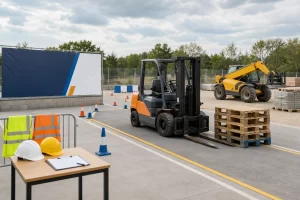
Cold weather can take a toll on plant and machinery. Engines may struggle to start, batteries lose charge more quickly, and hydraulic systems can respond slowly until warmed through.
These issues can tempt operators to push equipment harder than they should.
Extra checks before use become more important in winter. Allowing machinery time to warm up and keeping an eye on warning signs can prevent breakdowns and reduce the risk of sudden failures during operation.
Slips, Trips, and Falls in Winter Conditions
Slip and trip incidents often spike during cold spells. Ice, frost, and wet leaves all contribute, particularly in high traffic areas.
Even familiar routes can become hazardous overnight.
Regular gritting, clearing walkways, and keeping work areas tidy can help reduce the risk. It may also be worth reviewing site layouts temporarily, redirecting foot traffic away from problem spots where possible.
Adjusting Work Practices During Cold Spells
Winter conditions often call for flexibility. Starting slightly later to allow ice to clear, scheduling physically demanding tasks for warmer parts of the day, or rotating roles can all help manage risk.
More frequent breaks are not just about comfort. Warming up regularly helps maintain concentration and reduces the temptation to rush through tasks just to escape the cold.
Training, Briefings, and Site Communication
Cold weather risks should be part of regular site conversations, not just an afterthought.
Toolbox talks are a good opportunity to highlight changing conditions and remind people what to watch for that day.
Clear communication also encourages workers to speak up if something feels unsafe.
When the weather turns, small observations from the team can prevent bigger problems later on.

Conclusion
Cold weather may feel like an unavoidable part of working on site, but the risks do not have to be accepted as normal.
With the right planning and awareness, many winter hazards can be reduced or managed effectively.
Paying attention to conditions, people, and equipment helps keep work moving without unnecessary danger. Sometimes it is the quieter risks, like cold, that benefit most from a bit of extra care.